
Neighborhood Data: Unlocking Insights for Better Communities
May
Neighborhood Data: The Key To Smarter Local Decisions
The way people choose where to live, work, and spend money is changing fast. Today, every local decision—where to open a store, which ZIP code to target for marketing, or even which neighborhoods need new services—can be supported by neighborhood data. For local business owners, agents, and marketers, knowing the numbers behind ZIP codes isn’t just “nice to have.” It’s essential for building a strong strategy.
Imagine a real estate agent who knows which ZIP codes have rising incomes, or a home service business that understands which neighborhoods are aging and need repairs. These insights help you serve your clients better, find new opportunities, and avoid costly mistakes.

Neighborhood data—especially ZIP-level demographic, housing, income, population, and local business-location signals—offers a roadmap for smarter choices.
In this article, we’ll dive deep into how ZIP-code data works, why it matters, and how you can use it to make better decisions. You’ll discover practical examples, common errors, and specific tools like 360 Real Estate Reports that make ZIP-level research more accessible.

Whether you’re a real estate agent, mortgage broker, insurance agent, marketer, or small business owner, this guide will help you unlock the power of local data.
Why Zip-level Research Matters
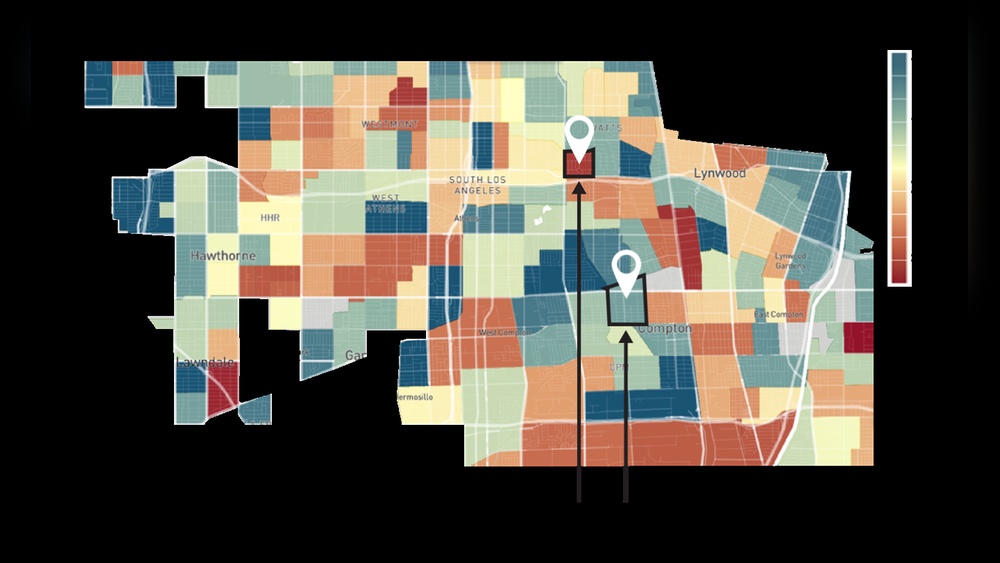
ZIP codes are more than just postal boundaries—they are powerful units for analyzing local markets. Each ZIP code has its own mix of people, homes, incomes, businesses, and trends. Looking at ZIP-level data gives a clear, focused view you can’t get from city-wide or county-wide statistics.
The Granularity Advantage
When you look at ZIP code data, you see details hidden in broader reports. For example, two neighborhoods in the same city may have very different:
- Median incomes
- Housing types
- Population ages
- Business density
This granularity helps you match your products, services, and marketing to the real needs of the area.
Supporting Better Business Decisions
ZIP-level data is especially useful for:
- Choosing where to open a new location
- Deciding which neighborhoods to target for ads
- Understanding local competition
- Forecasting demand for services or products
If you rely only on city or county averages, you may miss key opportunities or waste resources in areas that aren’t a good fit.
Example: Targeting Home Insurance
Let’s say you’re an insurance agent. ZIP-level data shows which neighborhoods have older homes, higher property values, or more new homebuyers. This helps you design offers that meet real needs, instead of generic packages that may not fit.
Key Local Signals To Review
Not all neighborhood data is equal. There are several core signals you should review before advertising, prospecting, expanding, or choosing a target area.
Demographics
Demographic data reveals the people behind the ZIP code. Look for:
- Median age: Young neighborhoods may want starter homes, while older areas need maintenance or downsizing services.
- Family size: Larger families may need bigger homes, schools, and family-friendly businesses.
- Ethnic mix: Understanding cultural preferences can help you tailor services and products.
Housing Data
Housing trends shape local demand. Key signals include:
- Median home value
- Homeownership rate
- Types of housing (single-family, condos, rentals)
- Age of housing stock
- Vacancy rates
For example, high vacancy rates may signal opportunities for property management or home improvement services.
Income And Economic Data
Income levels drive purchasing power. Useful signals:
- Median household income
- Income distribution
- Employment rates
- Poverty rates
Higher incomes often mean more demand for premium services, but lower-income areas may need affordable solutions.
Population Trends
Population signals show how neighborhoods are changing:
- Population growth or decline
- Migration patterns (Are people moving in or out?)
- Density
Growing areas may need new businesses, while declining ZIP codes may be riskier for expansion.
Local Business Signals
Look for:
- Number of businesses
- Types of businesses
- Business openings and closures
- Commercial vacancy rates
These signals help you understand competition, collaboration opportunities, and local economic health.
Example: Comparing Two Zip Codes
Here’s how ZIP-level data can change your strategy. Let’s compare two real neighborhoods:
| Signal | ZIP 90210 (Beverly Hills) | ZIP 90019 (Mid-City LA) |
|---|---|---|
| Median Household Income | $135,000 | $54,000 |
| Median Home Value | $2,800,000 | $710,000 |
| Population Growth (5 yrs) | +3% | +8% |
| Business Density | High | Medium |
| Vacancy Rate | 4% | 7% |
The numbers show Beverly Hills has higher incomes and home values, but slower population growth. Mid-City LA has faster growth, more affordable homes, and slightly higher vacancy. The best area depends on your business model.
Using Neighborhood Data For Local Business Strategy
Collecting ZIP-level data is only the first step. You need to turn the numbers into actions. Here’s how businesses can use neighborhood data before advertising, prospecting, expanding, or choosing a target area.
Location Selection
Before you open a new branch or office, analyze:
- Foot traffic
- Population density
- Nearby competitors
- Local demand
For example, a home service business may prefer ZIP codes with older homes and high ownership rates, since these areas often need repairs and upgrades.
Targeted Advertising
Smart marketers use ZIP-level signals to tailor campaigns:
- Direct mail to high-income ZIP codes for luxury services
- Online ads to areas with new homeowners
- Local promotions in ZIP codes with high family density
This approach improves your ROI and reduces wasted spend.
Prospecting And Lead Generation
For real estate agents, mortgage brokers, and insurance professionals, neighborhood data helps you:
- Identify ZIP codes with lots of new listings or recent sales
- Find areas with high numbers of new movers
- Target leads based on demographic fit
360 Real Estate Reports, for example, break down ZIP codes by homebuyer activity, showing where the action is.
Service Expansion
If you’re thinking about expanding, review:
- Current demand vs. competition
- Population and income trends
- Gaps in local services
Neighborhood data highlights underserved areas where your business can stand out.
Example: Home Service Business Expansion
A plumbing company is looking to grow. ZIP-level research shows one area has many older homes, high ownership, and few competitors. Another area is mostly renters and has several plumbing businesses. The first ZIP code is a better fit for expansion.
Common Mistakes When Selecting Markets Without Local Data
Many businesses skip ZIP-level research, relying on gut feeling or broad city averages. This often leads to costly errors.
Mistake 1: Ignoring Micro-markets
Assuming all neighborhoods are the same is risky. Two ZIP codes a mile apart can have very different needs, incomes, and buying patterns.
Mistake 2: Overlooking Demographic Shifts
Neighborhoods change fast. Without updated data, you may target areas with declining populations or aging homes that need different services.
Mistake 3: Not Reviewing Competition
Failing to check business density and competitor presence means you may enter saturated markets.
Mistake 4: Skipping Housing Trends
Ignoring vacancy rates, homeownership, or housing types can make your offers irrelevant to local residents.
Mistake 5: Using Outdated Data
Neighborhoods evolve quickly. Always use current ZIP-level data—reports like 360 Real Estate Reports offer up-to-date insights.
How To Access Reliable Zip-level Data
Reliable neighborhood data doesn’t come from free “neighborhood guides. ” You need professional sources that update regularly and cover all key signals.
Public Data Sources
Some government sites offer ZIP-level statistics:
- US Census Bureau: Demographics, income, housing
- Bureau of Labor Statistics: Employment data
These are useful, but often lack real-time business signals.
Professional Reports
Tools like 360 Real Estate Reports give you:
- Demographic breakdowns by ZIP code
- Housing and income trends
- Local business activity
- Maps and visuals
These reports help you compare ZIP codes side-by-side and find hidden opportunities.
Local Market Insights
Combine ZIP-level stats with local knowledge:
- Drive the area to check foot traffic
- Talk to local business owners
- Review online reviews and social media
This “street-level” view fills in gaps in the data.
Example: Using 360 Real Estate Reports
A mortgage broker uses 360 Real Estate Reports to find ZIP codes with rising homebuyer activity, high income, and low competition. This lets them focus their marketing where demand is strong and avoid areas with little action.
Data Tables: Comparing Zip Codes For Expansion
Here’s another example of how ZIP-level data can be used for business strategy. A home cleaning company wants to expand. They compare three ZIP codes:
| Signal | ZIP 85032 | ZIP 85254 | ZIP 85308 |
|---|---|---|---|
| Median Age | 34 | 47 | 41 |
| Homeownership Rate | 61% | 72% | 69% |
| Median Income | $58,000 | $97,000 | $75,000 |
| Business Density | Medium | Low | High |
| Vacancy Rate | 6% | 3% | 5% |
ZIP 85254 has older residents, high ownership, and high income, but low business density. This may signal less competition and more stable clients.

Credit: today.usc.edu
Using Neighborhood Data For Marketing
Neighborhood data doesn’t just support location decisions—it powers smarter marketing.
Demographic Targeting
Marketers use ZIP-level demographics to:
- Design ads for age groups (e.g., seniors, young families)
- Create language and imagery that fits the local culture
- Offer promotions for new movers or retirees
Income-based Offers
Businesses can segment offers by income:
- Premium services in high-income ZIP codes
- Affordable packages in lower-income areas
- Bundled deals for family neighborhoods
Timing Promotions
Population trends and housing data help you time marketing:
- Target neighborhoods during peak homebuying seasons
- Promote home services after storms or local events
Example: Insurance Agent Campaign
An insurance agent finds a ZIP code with high new-mover activity. They run ads offering “Welcome to the Neighborhood” discounts. This increases conversion, since the offer matches local needs.
Neighborhood Data And Digital Advertising
Digital platforms allow for precise ZIP-level targeting. Use neighborhood data to:
- Set ad geotargeting by ZIP code
- Match creative to local demographics
- Monitor campaign performance by ZIP
For example, Google Ads and Facebook Ads let you target specific ZIP codes. By using neighborhood data, you avoid spending money on areas with low demand.
Measuring Results
Compare ad performance across ZIP codes. If one area has higher click rates or sales, analyze the local signals to understand why. Adjust your targeting based on real neighborhood feedback.
Real-world Examples And Case Studies
Real Estate Agent Finds Hidden Opportunity
A real estate agent in Dallas uses ZIP-level data to identify an overlooked neighborhood with rising incomes and low inventory. They focus marketing here and quickly generate new leads, outperforming agents who target crowded, high-profile ZIP codes.
Home Service Business Avoids Costly Mistake
A landscaping company almost expands into a ZIP code with high vacancy and low homeownership. ZIP-level research reveals that most homes are rentals, and residents don’t invest in landscaping. They switch focus to a nearby ZIP with high ownership and see better results.
Insurance Broker Adapts To Local Needs
An insurance broker reviews ZIP-level housing age data. They realize one neighborhood has many homes built before 1980. They design special offers for older homes, increasing sales and client satisfaction.
Advanced Uses: Combining Zip Data With Local Trends
Businesses can go beyond basic ZIP-level stats by combining neighborhood data with local trends.
Seasonal Patterns
Some ZIP codes have seasonal shifts—like college towns or vacation areas. Watch for:
- Population spikes during school terms or holidays
- Changes in service demand (snow removal, AC repair)
Adjust your business strategy to match these cycles.
Migration And Growth
If a ZIP code is seeing new construction or migration, demand for services will rise. Use building permit data and local news to spot these trends early.
Business Synergy
Look for clusters of complementary businesses. For example, a mortgage broker may target ZIP codes with lots of real estate offices, creating referral partnerships.

Credit: www.ctdata.org
Data Table: Zip Code Growth Signals
Here’s a table showing ZIP codes with key growth signals for business expansion:
| ZIP Code | Population Growth (5 yrs) | New Home Construction | Median Income | Business Openings |
|---|---|---|---|---|
| 77007 | +12% | High | $85,000 | 32 |
| 30328 | +8% | Medium | $74,000 | 27 |
| 92127 | +10% | High | $113,000 | 41 |
ZIP 92127 shows strong growth, high income, and many new businesses—a prime target for expansion.
Practical Tips For Using Neighborhood Data
- Always use current data. Neighborhoods change quickly.
- Compare at least three ZIP codes before making decisions.
- Look for underserved signals—areas with high demand and low competition.
- Review both demographic and business data. Don’t rely on only one signal.
- Combine data with local visits. Numbers are powerful, but seeing the area matters.
Two Non-obvious Insights
- Neighborhoods with similar incomes may have very different spending patterns. Check business density and local reviews to understand real buying behavior.
- Rising home values often signal increased demand for mortgage, insurance, and home services—but if vacancy rates are also rising, there may be underlying issues like transient populations or short-term rentals.
Avoiding Common Pitfalls
- Don’t assume ZIP codes with high population are always best. High density can mean tough competition.
- Don’t rely on “gut feel” or reputation alone. Use ZIP-level signals for facts.
Using 360 Real Estate Reports
360 Real Estate Reports offer ZIP-level breakdowns of demographics, housing, income, and local business signals. They are designed for real estate agents, mortgage brokers, insurance agents, and local businesses who want actionable insights. Reports show:
- Where buyers are active
- Which ZIP codes have rising incomes
- What housing types dominate
- Local business openings and closures
These reports make it easy to compare areas and plan smarter strategies.
To see neighborhood data in action, request a Free ZIP Market Preview. This gives you a snapshot of a ZIP code’s key signals, helping you decide if it’s right for your business.
For more detailed ZIP-level data, you can check US Census Bureau resources.
_Disclaimer: Market data supports planning but does not guarantee sales, rankings, ad results, or business performance._

Credit: missionlocal.org
Frequently Asked Questions
What Is Neighborhood Data And Why Is It Important?
Neighborhood data is information about demographics, housing, income, population, and local business activity within a specific ZIP code. It’s important because it helps businesses, agents, and marketers understand real needs and opportunities, leading to smarter decisions.
How Can Real Estate Agents Use Zip-level Data?
Real estate agents use ZIP-level data to find areas with rising home values, active buyers, and low inventory. This helps them focus marketing, find hidden opportunities, and better serve clients.
What Are The Risks Of Ignoring Zip-code Research?
Ignoring ZIP-code research can lead to targeting the wrong areas, missing key opportunities, facing tough competition, or offering services that don’t fit local needs. Always check ZIP-level signals before making decisions.
How Do I Get A Free Zip Market Preview?
You can request a Free ZIP Market Preview from 360 Real Estate Reports. This gives you a quick snapshot of any ZIP code’s key signals and helps you decide where to focus your efforts.
Can Neighborhood Data Predict Business Success?
Neighborhood data helps you plan smarter, but it does not guarantee sales or business results. Use it as a guide—not a promise—and always combine data with local expertise.
Local decisions are too important to leave to chance. By using neighborhood data at the ZIP code level, you make smarter choices, reduce risks, and unlock new opportunities for your business. Start your research today and see how ZIP-level insights can transform your local strategy.
Request your Free ZIP Market Preview and begin making data-driven decisions that work for your business.