
City Zip Ranking: Boost Your Local SEO and Visibility

May
City Zip Ranking: Using ZIP Code Data for Smarter Local Business Decisions
Imagine planning a new branch, launching ads, or prospecting for clients—without knowing the actual makeup of the neighborhood. Many local businesses do exactly that, relying on rough city averages or outdated stereotypes. But in today’s competitive market, ZIP code-level data gives you a sharper edge. It reveals the hidden details that drive real estate, insurance, mortgages, home services, and local marketing results. A City Zip Ranking approach means you look beyond city boundaries and focus on the micro-markets that matter.

This article guides you through why ZIP code research is so important, which signals to analyze, and how to use ZIP-level data for smarter local decisions. Whether you’re a real estate agent, mortgage broker, insurance agent, home service business owner, or local marketer, this practical guide will help you use the power of ZIP codes to grow your business with confidence.
Why Zip Code-level Research Matters
ZIP codes are more than mailing addresses—they are micro-markets. Within a single city, neighborhoods can vary widely in income, population, housing types, and business density. City averages hide these differences, which can lead to poor targeting and wasted resources.

For example, a real estate agent may assume a city is “hot,” but only a few ZIP codes actually drive most transactions. A home service business may target the whole city, but only certain ZIPs have the right customer base.
Mortgage brokers and insurance agents often see better results when focusing on ZIPs with higher incomes or more homeowners.
ZIP-level data helps you:
- Identify underserved areas with high growth potential
- Avoid saturated ZIP codes with tough competition
- Pinpoint the best prospects for your service or product
- Reduce wasted marketing spend
- Plan expansions with more certainty
One non-obvious insight: ZIP codes often reflect invisible boundaries like school districts, shopping areas, or local government zones. These boundaries affect market behavior more than city lines.
Key Zip-level Signals To Analyze
Not all ZIP code data is equal. Successful local businesses focus on a few critical signals before advertising, prospecting, or expanding:
Demographics
Understanding the people in a ZIP code is essential. Focus on:
- Median household income: Signals buying power
- Age distribution: Reveals target client groups (families, retirees, young professionals)
- Ethnic diversity: Important for culturally sensitive businesses
- Education levels: May influence service demand
ZIPs with younger populations may be ideal for starter homes, while older ZIPs could favor downsizing or retirement products.
Housing Data
Real estate and home service businesses need to know:
- Homeownership rates: Higher rates mean more stable customers
- Median home price: Signals affordability and market segment
- Housing turnover: Reveals how often people move
- Rental vs owner-occupied: Differentiate between renters and owners
ZIPs with high turnover may offer more new client opportunities, but also more competition.
Population Trends
Population growth or decline impacts future demand. Analyze:
- Annual population change: Growth signals opportunity; decline warns of shrinking markets
- Density: Helps target urban vs suburban services
- Migration patterns: New residents may need insurance, mortgages, or services
A non-obvious insight: ZIPs with stable populations often produce more referrals, while fast-growing ZIPs create quick wins but less loyalty.
Local Business Density
For B2B or service businesses, review:
- Number of competitors: Avoid saturated ZIPs
- Local business openings/closures: Signals economic health
- Business types: Are there complementary businesses nearby?
ZIPs with recent business closures may need new services, but also signal economic risk.
Consumer Behavior Signals
Look for:
- Online search volume: High search activity signals strong interest
- Reviews and ratings: ZIPs with many reviews often have active consumers
- Seasonal patterns: Some ZIPs respond better to marketing in certain months
Data from platforms like Google Trends and Yelp can supplement ZIP-level research.
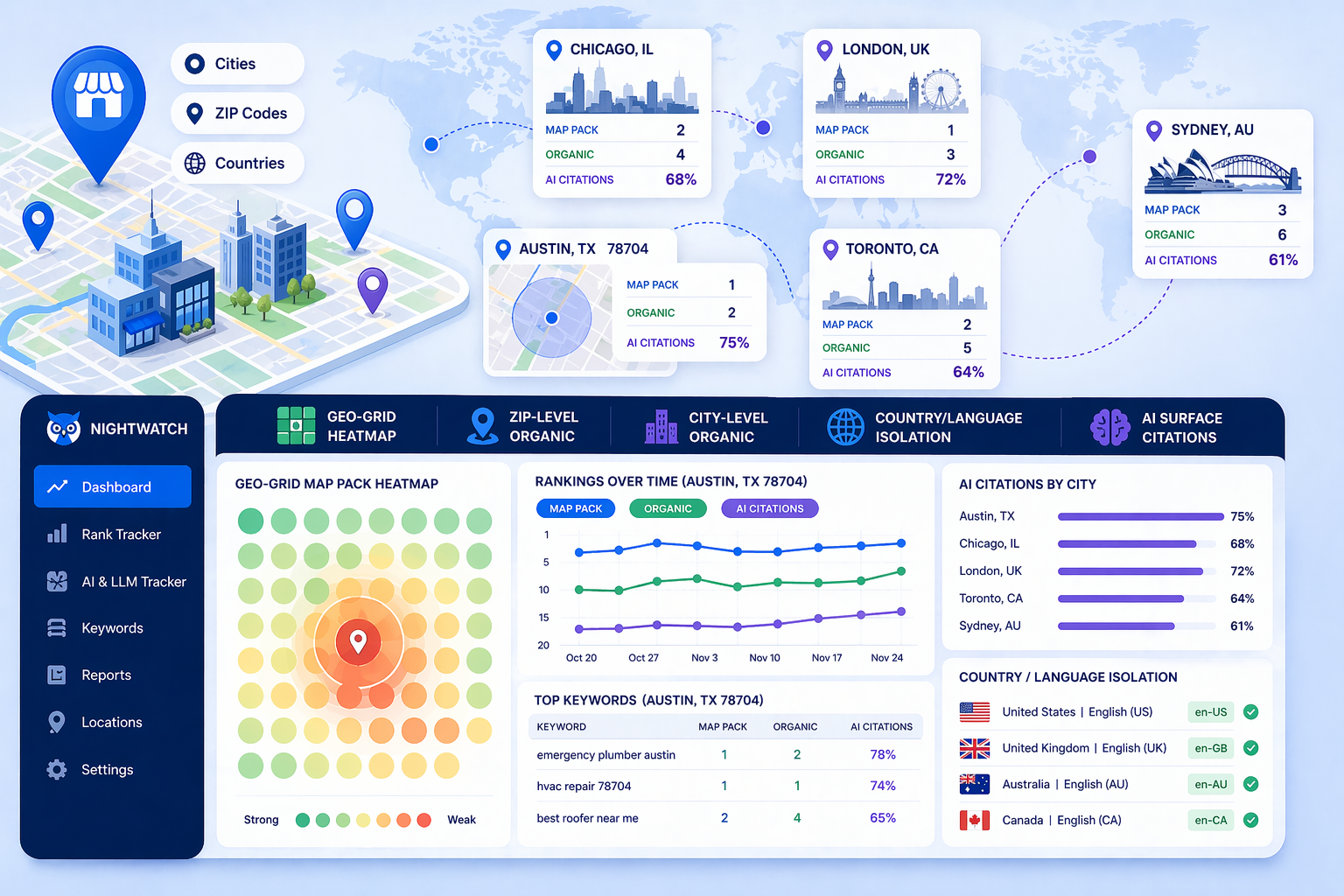
Credit: nightwatch.io
How To Use Zip-level Data Before Making Local Decisions
Many businesses skip ZIP-level research, then wonder why their ads flop or expansion stalls. Here’s how to use ZIP ranking data in four common scenarios:
1. Advertising And Marketing
Before launching local ads, compare ZIPs for income, housing type, and search activity. Target your highest-scoring ZIPs. For example, a home improvement business may find ZIPs with older homes and higher incomes respond best.
Use ZIP ranking tables to prioritize:
| ZIP Code | Median Income | Home Age | Search Volume (Home Remodel) |
|---|---|---|---|
| 90210 | $150,000 | 40 years | 2,300/mo |
| 90046 | $85,000 | 35 years | 1,100/mo |
| 90034 | $70,000 | 20 years | 800/mo |
ZIP 90210 stands out for income and search volume, making it a prime target.
2. Prospecting And Lead Generation
Sales teams often waste time on ZIPs with low conversion rates. Use ZIP rankings to focus on areas with high homeownership, fewer competitors, and strong demographic fit.
Example:
| ZIP Code | Homeownership Rate | Competitors (Agents) | Avg Client Age |
|---|---|---|---|
| 75001 | 65% | 8 | 44 |
| 75002 | 80% | 15 | 38 |
| 75003 | 72% | 5 | 47 |
ZIP 75003 offers high ownership and lower competition, ideal for prospecting.
3. Expansion And New Location Planning
Before opening a new branch, compare ZIPs for population growth, business density, and market gaps.
Look for:
- ZIPs with rising population and few competitors
- Areas underserved by your service
- ZIPs with strong economic signals (new developments, job growth)
A common mistake: expanding into ZIPs with city-wide growth but ignoring local declines.
4. Choosing Target Areas For Local Marketing
For insurance agents or mortgage brokers, targeting the right ZIPs can double results. Use ZIP rankings for:
- Homeownership vs rental mix
- Median home value
- Age and income fit
ZIP-level targeting saves money and boosts conversion rates.
Using 360 Real Estate Reports
A practical tool for ZIP-level research is 360 Real Estate Reports. These reports combine demographic, housing, income, and business signals in one place. They help you:
- Compare ZIPs side-by-side
- Identify hidden opportunities
- Avoid costly mistakes
You can use these reports to create a ZIP Market Preview, finding out which ZIPs fit your business before investing.
Common Mistakes When Selecting Markets Without Local Data
Many businesses make errors by skipping ZIP-level analysis. Here are some frequent mistakes:
- Relying on city averages: City data hides ZIP-level differences, leading to poor targeting.
- Ignoring demographic shifts: ZIPs change faster than cities; missing a trend can hurt growth.
- Overlooking competition: High-density ZIPs may have too many businesses, reducing ROI.
- Not reviewing housing turnover: ZIPs with frequent moves may be better for certain services.
- Assuming all ZIPs respond the same: Marketing messages must match local preferences.
A non-obvious insight: ZIP-level signals often reveal “hidden gems”—areas that are overlooked but have strong potential.
Practical Steps For Zip-level Market Analysis
Ready to use ZIP code data for smarter decisions? Here’s a step-by-step guide:
- Define your business goals: Are you seeking new clients, expanding, or launching ads?
- Gather ZIP-level data: Use sources like census.gov, local government, and tools like 360 Real Estate Reports.
- Compare signals: Look at demographics, housing, population, business density, and consumer behavior.
- Rank ZIPs: Use data tables to score ZIPs on your most important factors.
- Choose your targets: Focus on the top-ranked ZIPs for your goal.
- Test and refine: Launch campaigns in selected ZIPs and monitor results.
- Adjust based on feedback: ZIPs change—review data regularly.
Example workflow:
- A mortgage broker wants to target ZIPs with high homeownership and median income above $90,000.
- They use a ZIP ranking table to score areas.
- They select three ZIPs, launch ads, and track applications.
- After three months, they review which ZIP produced the most leads and adjust targeting.
Real-world Examples Of Zip-level Success
Real Estate Agent Finds Hidden Market
An agent in Phoenix used ZIP-level data to compare turnover rates and income. They discovered ZIP 85016 had more moves and higher incomes than neighboring ZIPs. By focusing marketing on 85016, the agent saw a 30% increase in listings.
Home Service Business Avoids Oversaturated Market
A lawn care company planned to expand in Dallas. ZIP-level research showed ZIP 75201 had 20+ competitors, but ZIP 75205 had only 6 and higher homeownership. The company chose 75205 and grew faster with less competition.
Insurance Agent Increases Conversion Rate
An insurance agent used demographic data to target ZIPs with families and high incomes. Ads in ZIPs 12345 and 12346 produced twice the number of leads compared to city-wide campaigns.
Mortgage Broker Saves On Advertising
A broker noticed that ZIP 90210 had high income but low homeownership. Instead, they focused on ZIP 90034, which had moderate income but high ownership. Their ad spend produced more applications at lower cost.

Credit: www.remedo.io
Comparison: City Vs Zip Code Data
Understanding the difference between city and ZIP code data is critical. Here’s a side-by-side comparison:
| Signal | City Data | ZIP Code Data |
|---|---|---|
| Income | Averages for whole city | Shows variation neighborhood by neighborhood |
| Population | Entire city | Micro-markets, trends within city |
| Housing | General home price | Owner/renter mix, home age, turnover |
| Business Density | City-wide competitor count | ZIP-specific competitor and business types |
| Consumer Behavior | Broad city patterns | ZIP-specific search volume, reviews |
ZIP code data is more precise, helping businesses avoid mistakes and target better.
Advanced Zip-level Strategies
Businesses can go beyond basic ZIP ranking by:
- Segmenting ZIPs by customer lifetime value: Focus on ZIPs with customers who spend more and stay longer.
- Overlaying ZIPs with school district boundaries: Families often make decisions based on schools, not city lines.
- Analyzing seasonal demand: Some ZIPs peak at different times of year.
- Tracking migration and new development: ZIPs with new housing or business openings signal opportunity.
A non-obvious insight: Data from real estate reports, like 360 Real Estate Reports, often includes predictive signals—where new developments, rising incomes, or population shifts may create future demand. Using these can help businesses “get ahead” of competitors.

Credit: www.threads.com
Key Factors For Zip-level Decision Making
When choosing ZIPs, prioritize:
- Fit for your service: Does the ZIP’s demographic match your ideal client?
- Affordability: Can your clients afford your service/product?
- Market saturation: Are there too many competitors?
- Growth signals: Is the ZIP growing or declining?
- Accessibility: Can you reach clients easily (transport, traffic)?
- Local preferences: Are there cultural or seasonal preferences?
Avoid focusing only on one factor. A ZIP with high income but low population may not be ideal. Consider the mix.
How To Avoid Common Pitfalls In Zip Market Selection
Businesses often make mistakes that can be avoided by:
- Not updating data regularly: Markets shift quickly—review ZIP rankings every quarter.
- Relying on intuition: Use data, not “gut feeling.”
- Ignoring micro-markets: Two ZIPs next to each other can perform very differently.
- Overlooking online signals: Combine offline and online data for a full picture.
By using tools like 360 Real Estate Reports and regularly reviewing ZIP rankings, you can make smarter, more confident decisions.
Building A Zip Market Preview
Before launching a campaign or planning expansion, generate a ZIP Market Preview. This snapshot shows:
- Top ZIPs based on your key factors
- Risks and opportunities
- Competitor density
- Demographic fit
Many businesses use a ZIP Market Preview to test new areas before spending heavily. It’s a low-risk way to see if an area fits your strategy.
Action Steps For Local Businesses
Here’s how you can start using ZIP-level data today:
- Identify your target client profile: Age, income, homeownership, etc.
- Gather ZIP code data: Use census.gov, local government, and tools like 360 Real Estate Reports.
- Score and rank ZIPs: Use tables to compare.
- Choose top ZIPs: Focus your advertising, prospecting, or expansion.
- Monitor results: Track leads, sales, and feedback.
- Adjust strategy: Update ZIP rankings every quarter.
If you’re unsure where to begin, request a Free ZIP Market Preview. This gives you an overview of the best ZIPs for your business, based on your goals.
Frequently Asked Questions
What Is A City Zip Ranking?
A City Zip Ranking is a method of comparing ZIP codes within a city based on key signals like demographics, housing, income, population, and business density. It helps local businesses identify the best areas for advertising, prospecting, expansion, or targeting.
Why Is Zip Code-level Data Better Than City Averages?
ZIP code-level data shows micro-market differences that city averages hide. For example, two ZIPs in the same city may have very different income levels, homeownership rates, or competitor density. Targeting by ZIP improves marketing efficiency and results.
How Can I Use Zip Data Before Launching Ads?
Review ZIPs for demographic fit, income, homeownership, and search volume. Rank ZIPs and target your advertising to the highest-scoring areas. This reduces wasted spend and increases conversion rates.
What Tools Help With Zip-level Research?
Tools like 360 Real Estate Reports combine demographic, housing, income, and business density data. They help you compare ZIPs, identify opportunities, and avoid mistakes. Other sources include census.gov and local government databases.
Are There Risks In Zip-level Targeting?
Yes. Markets shift quickly, and ZIPs can change due to population moves, new developments, or economic shifts. Always update your data regularly, and remember that ZIP-level targeting supports planning—but does not guarantee sales, rankings, ad results, or business performance.
Local businesses, real estate agents, mortgage brokers, insurance agents, and home service owners can use ZIP code-level data to make smarter decisions, avoid common mistakes, and grow with confidence. Before your next campaign or expansion, request a Free ZIP Market Preview to see which ZIPs offer the best fit for your business.
*Disclaimer: Market data supports planning but does not guarantee sales, rankings, ad results, or business performance. Always use ZIP-level research as one part of your strategy.*
Ready to make better local decisions? Start by generating your Free ZIP Market Preview now. For more in-depth ZIP code data, visit 360 Real Estate Reports.